


Four hotels in five nights was too much, I thought. How could I possibly get a feel for a place in such a short time?
As it turns out, it’s impossible not to get a sense of place as soon as you walk in, if you’re walking into the right kind of places.
Cutting ties with the loyalty program
My family was loyal to Starwood Hotels, and then to Marriott when they bought Starwood, long before I became a travel writer. My husband traveled extensively for work and earned lifetime Platinum status about 20 years earlier than is considered normal, if that’s a thing anyone can consider “normal” at all.
I looked for and booked Marriott properties almost anywhere we went. We started as Westin people. We then moved to St. Regis and Ritz-Carlton. We’ve never been cool enough for the vibes at the W despite multiple attempts.
This isn’t a breakup story. I still love Marriott brands, like my wonderful family stay at the St. Regis Rome. But I’m only just beginning to realize what I’ve traded off by retreating to a familiar name in an unfamiliar city.
Charm and character, please
My whirlwind tour through Lake Como introduced me to six family-owned and run boutique hotels. Each was quirky, historical, and if I’m being honest, a lot nicer than what I was expecting.
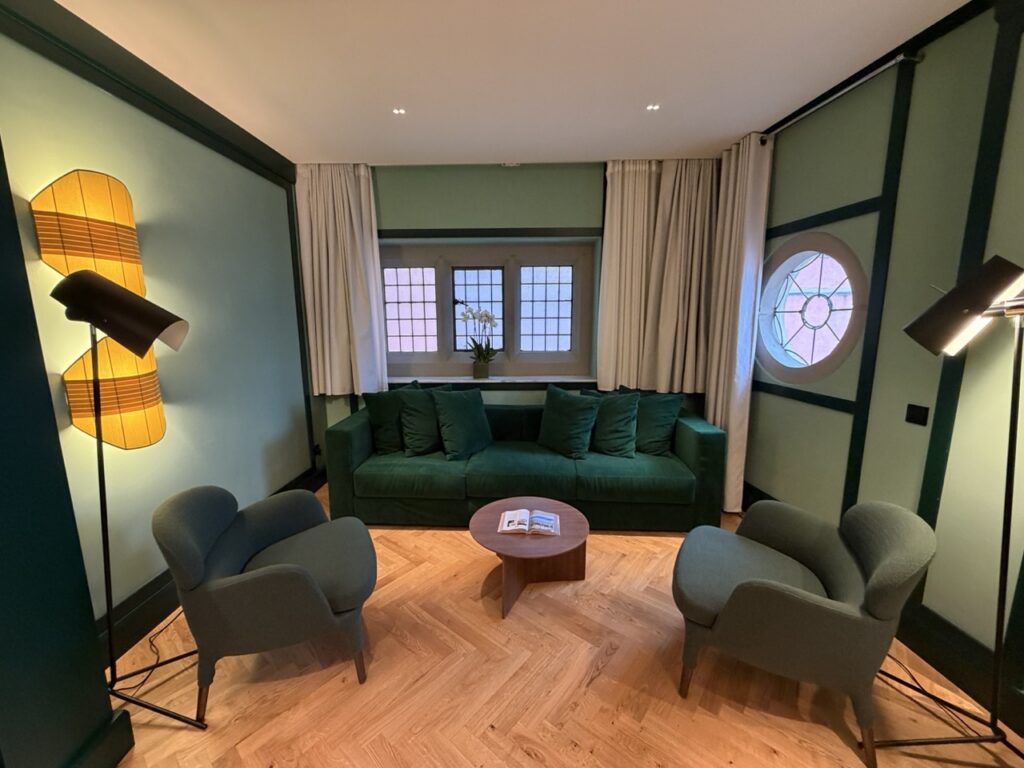
Each hotel, and in most cases, each room, was unique. At Casa du Lac in Varenna, there are 13 rooms and 6 room categories. The rooms are unified in their design aesthetics but nothing else.
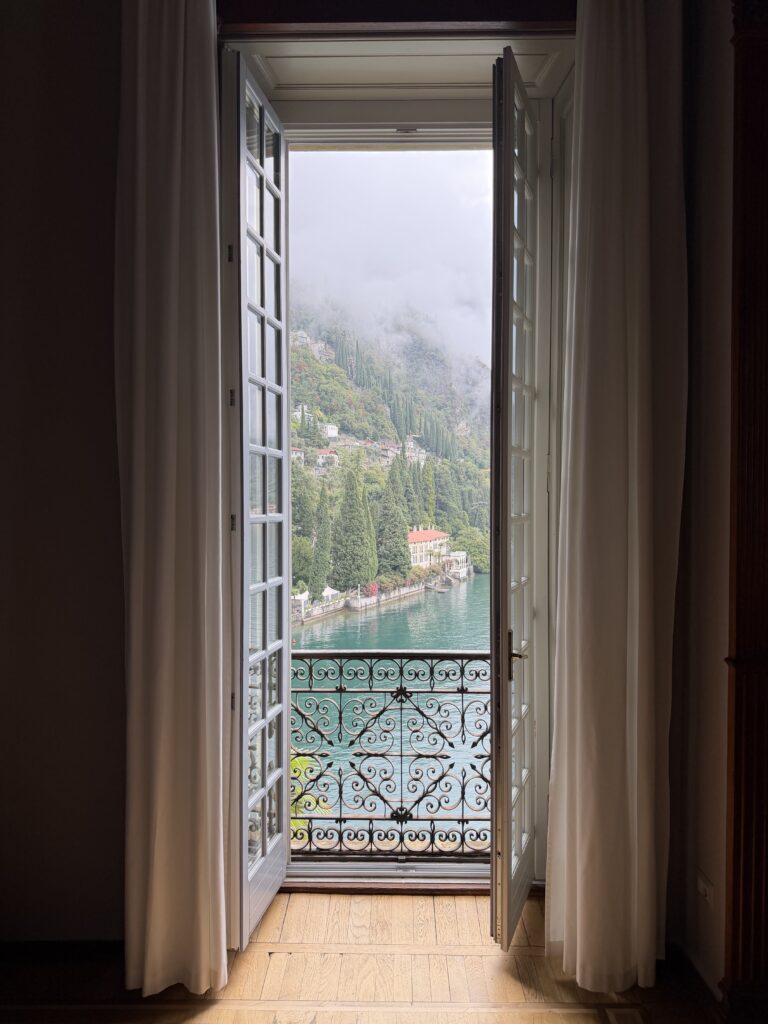
I originally thought my room was “worse” than my colleagues’, but quickly came to admire its personal attributes. I didn’t have a balcony, but I had wall-to-wall windows and a much more interesting view.
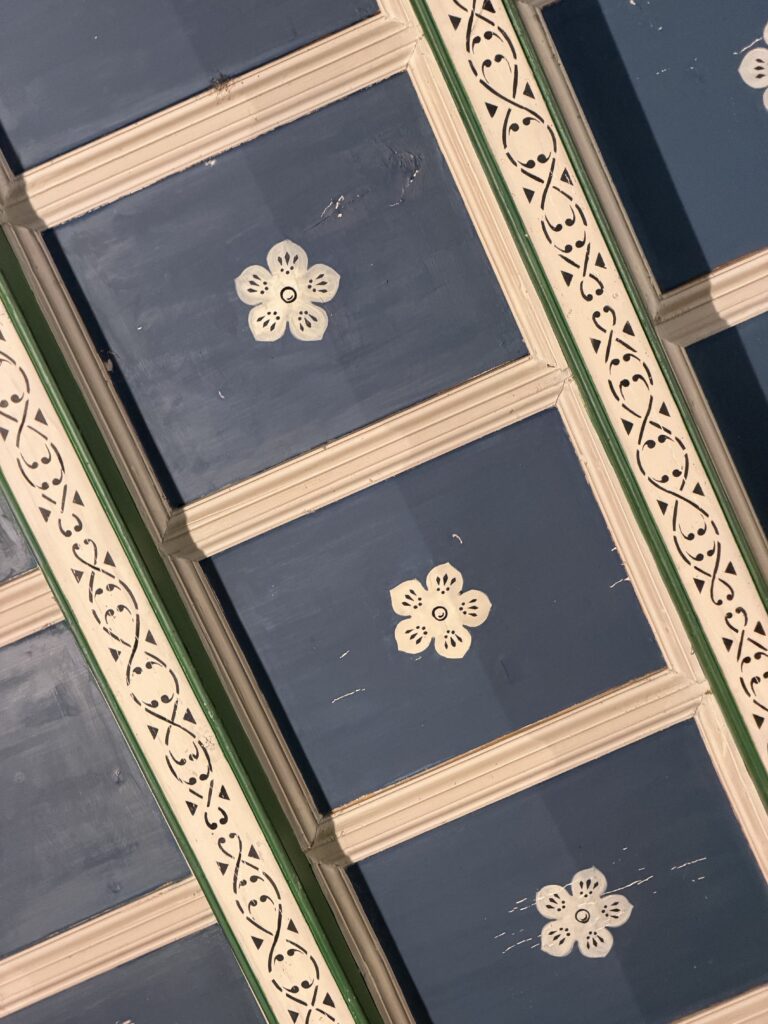
At Hotel Royal Victoria, each room has at least one piece of furniture from the 14th to 18th century, a nod to its 14th century history as a silk factory. The original, hand-painted ceilings in the lobby made me gasp.
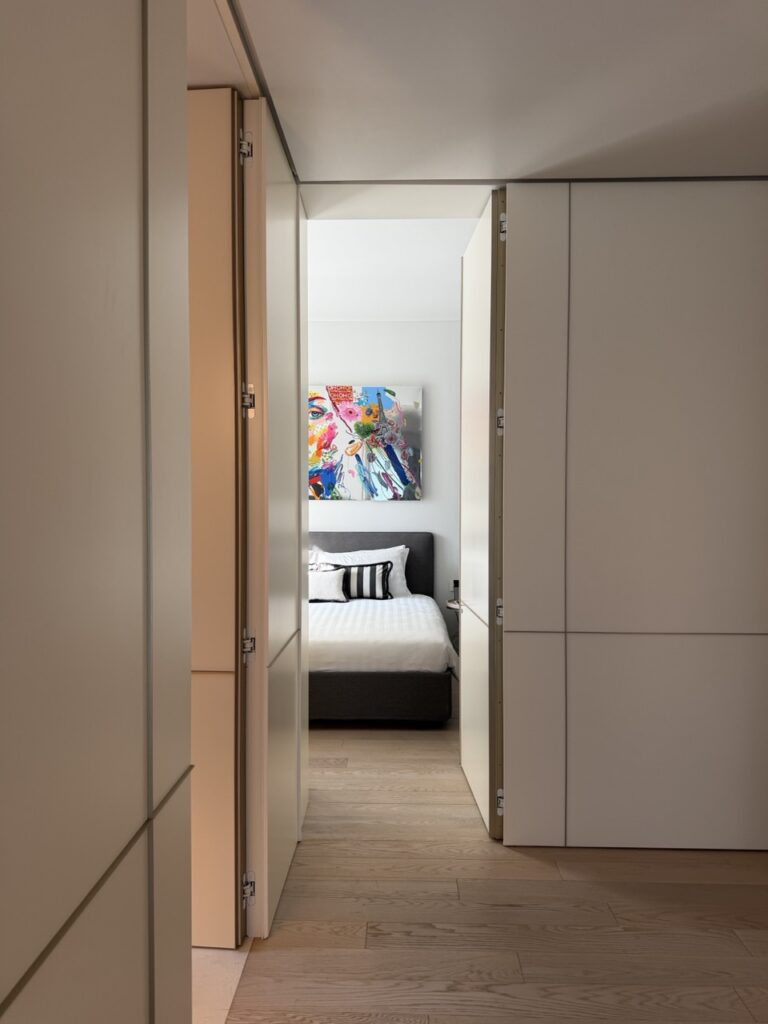
Newly-opened Villa O in Cernobbio operates as a serviced luxury apartment-style hotel, with a full kitchen that can completely hide away. Its 12 rooms make it feel more like a villa rental than a hotel.
Those are details a larger hotel group likely couldn’t take the time to invest in preserving. There are benefits to scale, but there are also limits to how far outside the playbook a property can go.
Surprise-and-delight service
For some reason, I pictured family-run hotels to be less professional than their chain counterparts. I know this isn’t true; one of my all-time favorite hotels is Villa Feltrinelli on nearby Lake Garda. It certainly wasn’t true at the R Collection hotels I stayed in.
Nevertheless, there is psychological safety in booking with a brand you know. This is both the feature and the bug with some chains…Four Seasons is endlessly criticized for feeling generic, yet its fans say that’s precisely why they book. They know the quality and level of service they will receive, no matter where they are in the world.
A small, independent hotel, however, can take service to another level. Fresh flowers greet guests in each room at Grand Hotel Victoria in Menaggio, an extravagance that doesn’t scale in a property with hundreds of rooms.
Small room counts also mean quicker response times. When I left my favorite travel pillow in the hotel pillowcase at Casa du Lac after checkout, housekeeping found and returned it to me within a couple of hours, before I even left town.
And they did it without asking and without even notifying me. When I went to retrieve my bags from the front desk, my pillow was carefully tucked into my tote, ready for its next adventure.
Independence, but make it collective?
One challenge I heard from independent hoteliers was the difficulty and importance of getting their name out there to travelers without the marketing engine of a large corporation. Some invest in joining independent collections like Leading Hotels of the World, Small Luxury Hotels, Fine Hotels and Resorts, and Relais and Chateau.
These marketing organizations confer much of what the larger chain names bring to their managed properties – a stamp of approval and a general idea of what you’re going to get when you stay there.
The big brands themselves are eyeing this space. That’s going to be increasingly interesting to watch, especially for those with hotel points to burn or loyalty status to re-earn.
Marriott has the Autograph Collection, Design Hotels, and Luxury Collection, all unique properties aiming to preserve the independence of the hotel and honor its roots. As part of Marriott, however, the hotels offer point redemption and earning opportunities, as well as membership perks.
Hilton is investing heavily in its lifestyle portfolio. My friend and fellow writer Chris Dong covered the opening of Hilton’s 8th lifestyle brand, Undergraduate, for Travel + Leisure. What caught my eye is that Hilton aims to double its lifestyle portfolio to 700 hotels by 2028.
Not all of them are boutiques in my view. Some collections, like Tapestry Collection and Curio Collection, do fall into the high-end, independent hotel idea I am now enamored with.
Perhaps what is most interesting is why big brands like Hilton and Marriott are investing in independent names. I think they see where travel is going.
A premium on personal
One result of AI I see coming for travel is a desire to find the human elements of what make travel interesting. A recent social video I did on heritage brands in Vienna struck a nerve. I had a feeling that other travelers would want to learn about brands preserving craftsmanship in centuries-old technique. I was right.
Travelers will want the same in their hotel experience. They want to know the backstory on the hotel. They want the art to be by local artists. They want the restaurant ingredients to be sourced as locally as possible.
They want to know that humans designed and deliver the experience, not robots. The more we automate, the more personal it needs to feel.
Boutique hotels, whether independent or affiliated or part of a major collection, will be the ones best positioned to meet the moment. I’ll be there too, ready to turn over new stones and see what gems lie underneath.


