


Mexican travel safety is making the headlines once again, and you might be wondering, “Is it really safe to travel to Mexico?”
I have deep personal experience of living and traveling in Mexico. I lived there full-time for a year, and I now have permanent residency, spending around 2-3 months of each year at my home on the Pacific coast in Baja California Sur.
I’ve visited 11 of Mexico’s 31 states as well as Mexico City, some as a solo female traveler and others with family members, including my children. To give our background, I’m a white, petite middle aged woman who speaks fluent Spanish, and my family is mixed race, which has never given us any problems.
While I will not give advice on whether you should travel to Mexico or not (there are simply too many personal factors I can’t weigh in on), I will share my expert opinion on the country so that you can decide what is right for you.
Mexico is a wonderful country full of welcoming people, beautiful beaches, fascinating history, and the most delicious food. I adore spending time there and would love for more people to enjoy the amazing experiences that I have had. And also, I can totally understand that safe travel is a priority for most people when they’re planning their vacations. It is for me, too!
The great news is that Mexico is generally a safe destination for travelers. Like any other destination, you’ll need to take some precautions before you set off and along the way.
Putting the Risks in Perspective

It’s very easy to get the risks out of proportion, so let’s look at the facts about travel safety in Mexico.
Mexico is the 15th largest country in the world. It’s three times the size of Texas and about a quarter of the whole size of the United States.
So, asking “Is Mexico safe?” is kind of like asking if the Western U.S. is safe. Obviously, some parts of it are safer than others, but you can’t generalize for the whole country.
According to the National Travel and Tourism Office, 39.9 million U.S. travelers visited Mexico in 2024, making it the most visited country that year. The most popular destinations included Cancun, Mexico City, Cabo San Lucas, Guadalajara, and Puerto Vallarta.
Although incidents involving American tourists may hit the headlines, they’re very few and far between. Criminal activity does happen in Mexican tourist destinations, but foreign nationals aren’t often involved. When they are, it’s unfortunately often a case of being in the wrong place at the wrong time.
What are the main safety concerns?

So, what do people worry about when they’re considering a vacation in Mexico?
In my experience, travelers to Mexico are most worried about these five safety concerns.
Drugs and cartels
Drugs, organized crime, and cartel violence are likely the biggest concerns for most people when they’re planning travel to Mexico, especially after the February 2026 unrest following the government’s killing of El Mencho, leader of the country’s largest cartel.
Mexico is a major drug trafficking hub that sees frequent violent clashes between the cartels, terrorists, and criminal organizations attempting to control drug trafficking routes. They can target unaware U.S. citizens, trying to convince them to smuggle drugs across the border.
The key message from the Mexican authorities is not to go to Mexico looking for drugs or intending to buy them. You might be offered drugs in tourist areas, but this is not something to get involved in.
Never agree to carry any packages out of Mexico, even if the request seems totally innocent.
Violent crime
This is a risk in most Mexican states, and it usually goes hand-in-hand with the cartels.
The best advice is to stick to tourist areas that have regular police patrols and avoid quiet, low-lit areas after dark.
I personally have never felt more at risk throughout Mexico than I have in American cities. In contrast, I have been helped by kind Mexicans more times than I can count, and I feel that the country has a stronger sense of helping strangers than does the US.
Road travel
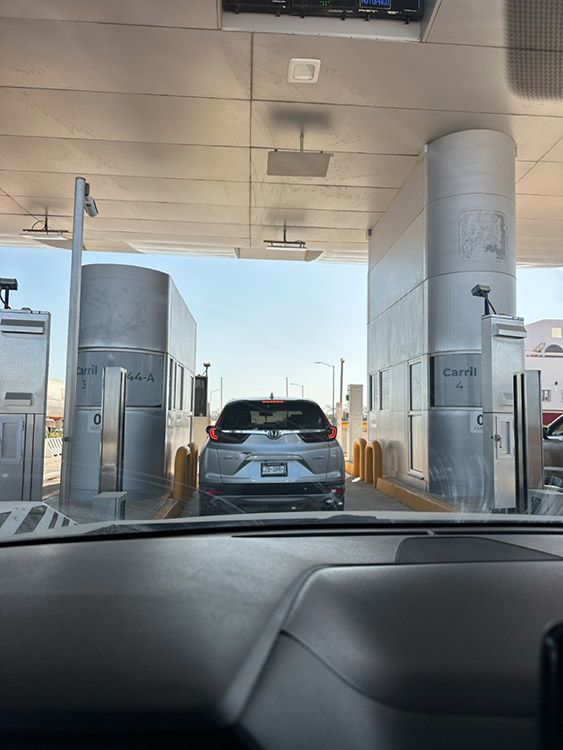
If you want to explore more of Mexico outside the tourist resorts, a car makes travel much easier and gives you more flexibility. You may risk encountering Bandidos (bandits) in some parts of the country, but driving in Mexico is generally safe if you stick to main roads and avoid driving at night.
If you’re driving between the U.S. and Mexico, monitor your vehicle closely and don’t leave it unattended in border regions.
Our guide to driving in Mexico has some clear guidance and simple tips to help you get on the road.
Petty theft
When people talk about Mexico’s high crime rate, they usually mean violent crime. However, my experience is that most crime experienced by tourists in Mexico is petty theft.
When we were having some work done on our house in Pescadero, someone broke in through a window that had been left unlocked. They took cash out of my purse and some cash off the dining table, but left the iPads that was next to my purse on the counter. I guess getting rid of the iPads would be more hassle than they were worth.
It’s important to remember that most petty criminals are opportunistic. They’re looking for easy targets and don’t want to draw attention to themselves. So, if you make things difficult for them, petty criminals will often move on quickly.
You can reduce the risk of petty crime by taking simple steps like looping your backpack around a chair leg, keeping doors and windows locked at night, or putting your phone away when you’re on the metro. These are the same precautions I’d recommend taking in any other large city or tourist destination in the world.
Food and water safety
Apart from the risk of violent crime, most travelers to Mexico are worried about the risk of water-borne illnesses like travelers’ diarrhea, giardiasis, norovirus, salmonella, and E.coli.
Tap water in Mexico is generally not safe for drinking, so never drink it unless you are explicitly told it’s safe. You should also use bottled or purified water for brushing your teeth. I’ve never personally had an issue with ice in drinks and you can drink the ice in Mexico.
You can save money in restaurants by asking for “agua de la casa” or “house water.” This is always poured from the big bottles of filtered water, and there shouldn’t be any charge for it. In years of doing this, I have never gotten sick from drinking “agua de la casa.” If the restaurant doesn’t have “agua de la casa”, you will need to pay for bottled water.
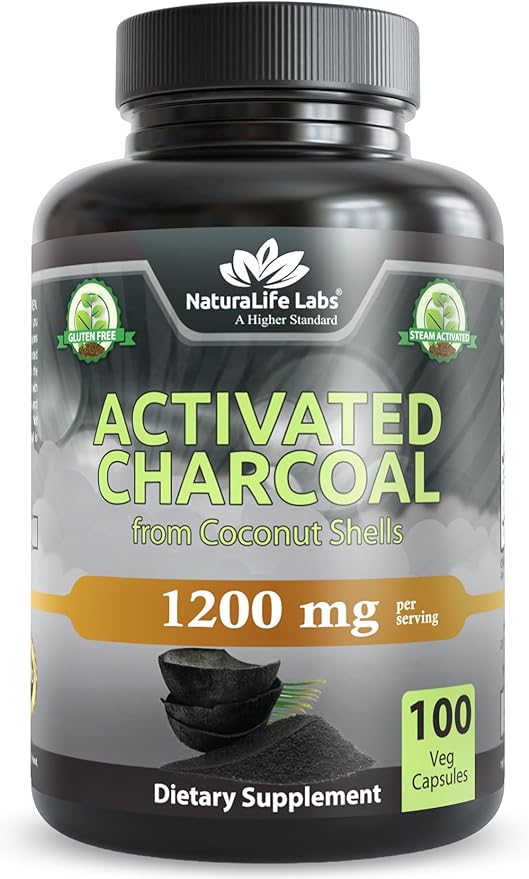
Activated charcoal pills are an essential item for my travel first aid kit, regardless of where I travel. We learned about them when we were first living in Mexico, and they can help deal with most nasty stomach issues.
Please note that this isn’t medical advice, and activated charcoal is a supplement rather than a medicine. You should always seek professional medical help for stomach problems that don’t clear up quickly or for children, elderly people, or anyone with ongoing health issues.
In spending a cumulative several full years in Mexico, my family has had two serious bouts of stomach illness. While living in Colima in 2009, I got food poisoning from a well-known American restaurant chain when I was craving a taste of home. In 2025, one of my sons contracted salmonella while in Mexico. It’s definitely possible to get sick, but it’s not as common as it might seem if you are vigilant about the water.
Which Mexican States are Safe?
The State Department currently sets Mexico as a whole at a Level 2 travel advisory. This means that American citizens should exercise increased caution due to the threat of crime, kidnapping, and terrorism.
However, the different regions of Mexico each have their own travel advisory level. According to the latest State Department guidance, there are currently six states at Level 4 – Do not travel. This Mexico travel advisory covers the states of Colima (where I used to live), Guerrero, Michoacan, Tamaulipas, Sinaloa, and Zacatecas.
I was recently chatting with a Mexican friend from Michoacan and she encouraged me to come visit, touting its culture, history and unique food. While I think additional caution is necessary in some areas, remember that all these places have normal people living normal lives and not getting swept up in violence on a regular basis.
There are also seven states at Level 3 – Reconsider travel. This includes the state of Jalisco, which has recently experienced serious security incidents in Puerto Vallarta. You should exercise a high degree of caution and reconsider any non-essential travel to these states.
It also includes Guanajuato, where I recently traveled during a visit to San Miguel de Allende. I found San Miguel to be absolutely magical, with a vibrant art scene, new hotels, excellent wines, rich history and friendly people.
Most of the country is at Level 2, which means it’s safe to travel as long as you take sensible precautions. There are separate restrictions for U.S. government employees that cover specific areas of the states, so be sure to check those if they apply to you.
This travel advice is updated regularly as the security situation changes, so it’s essential to check the State Department guidance before you travel. For example, when I lived in Colima in 2009, it was a relatively safe destination, but it’s now the state with the highest murder rate. So, I personally wouldn’t consider traveling there at the moment.
Is Quintana Roo safe?

Some of Mexico’s most popular tourist destinations are located in the state of Quintana Roo. This includes Mexican cities like Cancun, Playa del Carmen, and Tulum. This state is currently at Level 2 – Exercise increased caution.
There is a risk of violence in large cities from criminal gangs, cartels, and terrorist groups. U.S. citizens have experienced both violent and non-violent crime, and armed clashes between gangs have resulted in bystanders being injured and killed.
If you visit any of these destinations, it’s important to take extra care if you go out in downtown areas after dark. Stay in well-lit areas and tourist zones where police officers patrol more frequently.
Most importantly, keep your wits about you. Don’t drink too much and get in a fight. Don’t seek out illicit drugs. Watch who is making and transporting your drinks at a bar or nightclub. In my (admittedly short) experience in Tulum, your biggest risk is getting gouged by taxi drivers.
Is Yucatan safe?
The state of Yucatan is currently at Level 1 – Exercise normal precautions.
Travel to popular tourist attractions like the UNESCO World Heritage sites of Chichén Itzá and Uxmal is safe as long as you take sensible precautions.
Is Cabo safe?
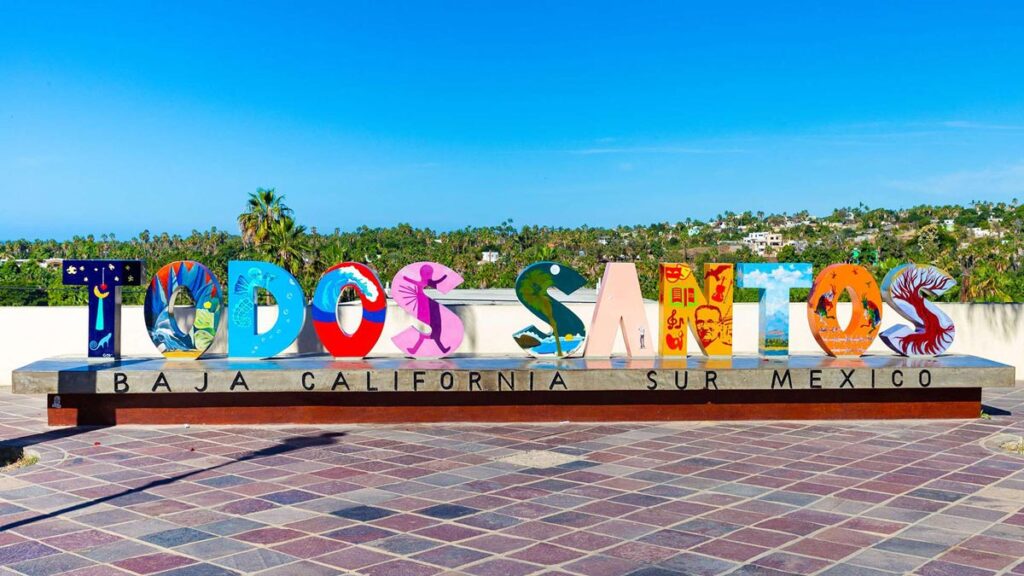
Los Cabos and other popular vacation spots in the state of Baja California Sur are currently at Level 2 – Exercise increased caution. This includes Todos Santos and El Pescadero.
This is due to the general risk of violence and crime from gangs, cartels, and criminal organizations. However, the state is generally safe to visit if you take precautions.
This is where I spend the most time and can speak most authoritatively. I have traveled to Los Cabos for 15 years and have owned a house in the area for 4 of those years. I spend several months a year there. I travel alone, with my family, and with groups of female friends.
Baja California Sur is safe. It is safe to drive at night, safe to walk around, and safe to live. There is no visible cartel presence in Cabo San Lucas or Baja Sur, though like everywhere in Mexico, it does exist behind the scenes. As a normal tourist, you will never see it and frankly it won’t impact your trip in any way.
Is Mexico City safe?
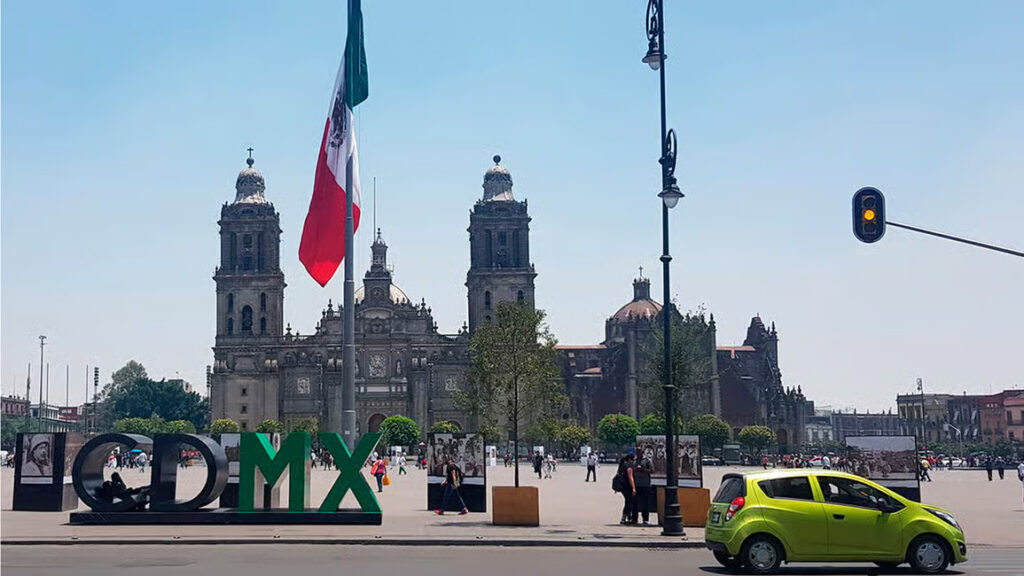
Mexico City state (Ciudad de Mexico) is currently at Level 2 – Exercise increased caution. This is due to an increased risk of terrorist violence and the activities of criminal gangs and cartels.
If you are visiting Mexico City, you should be aware of the risk of both violent and non-violent crimes. Petty crime is also a common occurrence in tourist areas.
You should be especially cautious at night, especially if you venture away from tourist areas in the city center. The local law enforcement patrol these quieter areas less often. I personally never felt unsafe walking anywhere in Mexico City, though I stayed in the touristy neighborhoods for the most part.
Is Puerto Vallarta safe?
Puerto Vallarta is in the state of Jalisco, which is currently at Level 3 – Reconsider travel. This is due to the high levels of crime, kidnapping, and violence.
The state has seen recent outbreaks of violence in Puerto Vallarta and Guadalajara. U.S. citizens have been kidnapped, and shootings have killed innocent bystanders.
There are no travel restrictions currently in place for Puerto Vallarta or the Guadalajara Metropolitan area. However, you should reconsider non-essential travel.
After speaking with a friend and resident of Puerto Vallarta present during the February 2026 unrest, I have a more nuanced view of things. It was short, violent and unsettling. Things quickly went back to normal.
There is never any guarantee that future violence won’t erupt, but tourists were not impacted aside from travel disruptions. This one is something where everyone has to make their own choices; I personally would feel comfortable going to Puerto Vallarta.
Is Oaxaca safe?
The state of Oaxaca is currently at Level 2 – Exercise increased caution. This is due to the risk of violence, crime, and terrorism.
However, there are no general travel restrictions for the state capital, Oaxaca City, or other destinations like Puerto Escondido or Huatulco.
Safety Tips for your Mexico Vacation
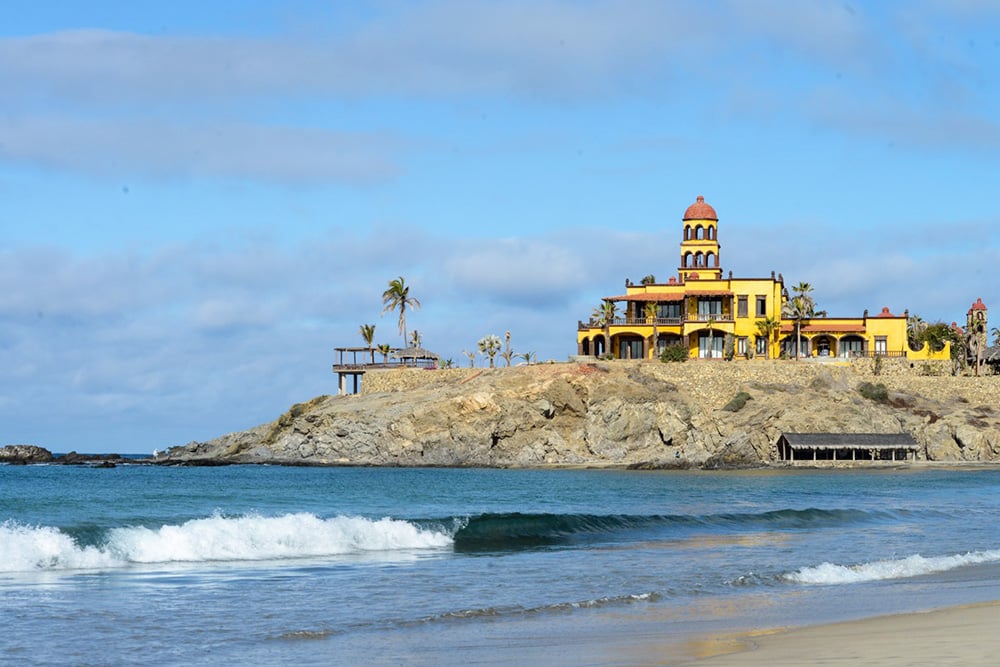
It’s important to be aware of crime when you visit Mexico, but you don’t need to worry about it constantly.
Following a few simple safety tips will help reduce your risk so you can enjoy your vacation. Many of these are common sense steps that you’d also follow on a U.S. vacation.
Check with someone you trust
Before you start exploring your destination, talk to the concierge at your hotel or a trusted friend who knows that part of Mexico. Ask about the safest ways of getting around, where the safe parts of town are, and which parts you should avoid.
Keep important information confidential
Don’t share any personal details, business information, or travel plans with strangers. Avoid letting taxi drivers overhear personal information, and if you have to mention your hotel room number to hotel staff, make sure no one is listening in.
Travel safely
Always make sure you’re accompanied if you have to walk somewhere after dark, and avoid any neighborhoods with a bad reputation. Don’t travel alone or drive after drinking.
If you must travel alone, use an authorized taxi (Taxis Autorizados) instead of hailing a taxi on the street. You can book your taxi through your hotel or from an authorized taxi stand.
If you use a taxi, confirm before getting in whether they accept credit cards and whether the ride is metered. If it is not metered, negotiate a price so you don’t get a nasty surprise at your destination. Alternatively, use reputable ride-sharing apps like Uber.
Keep valuables secured
Leave flashy jewelry or sentimental favorites off your packing list for Mexico. Basically, if you would hate to lose it, leave it at home.
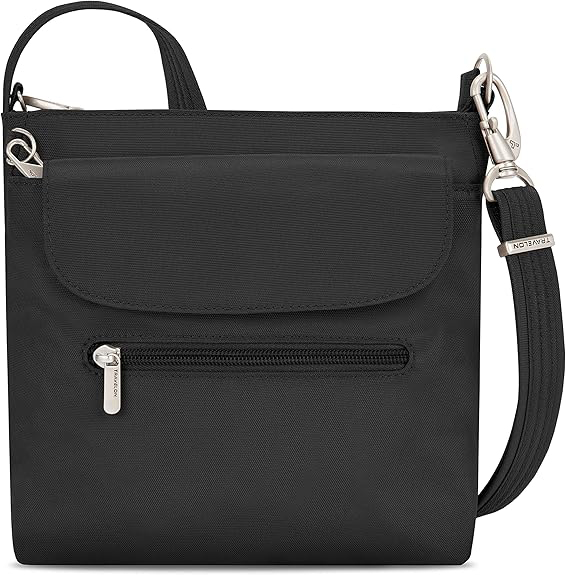
Keep valuable items like laptops out of view and limit the amount of cash you carry in public. I always bring this Travelon anti-theft purse with me when travelling. It’s low profile and has excellent safety features like locking zippers and slash-resistant panels. This is really good for any city where you worry about pickpockets.

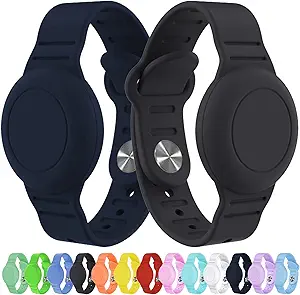
Popping Apple AirTags into your purse, backpack, or suitcase makes it easier to keep track of your belongings and helps the police recover any stolen goods.
They can also help with recovering lost bags from the airline, and you can even pop one in a bracelet for your kid.
Store a copy of important documents like your passport securely at your hotel or villa. It’s also worth checking with your bank so you know how to quickly freeze any bank or credit cards.
Stay alert
As with any country, you’ll probably need to exhibit more vigilance and care about your surroundings if you’re visiting major cities than if you’re in a small town or rural areas.

These Apple AirPods Pro 3 include in-ear real-time translation capabilities, which makes it easier to keep track of what’s happening around you.
Keep your eyes on your personal belongings and watch out for suspicious behaviour. If you’re traveling on public transportation, be alert to the risk of pickpockets.
Trust your instincts
Always trust your instincts, and leave quickly if a place or situation makes you feel nervous. When we were taking our car from Colima back to the U.S., we came across a checkpoint near the U.S. border that we weren’t quite sure was legitimate.
We slowed down and stopped briefly but then set off at speed, worried that it was a fake. No-one pursued us, and I’m still not completely sure whether that was a genuine checkpoint but it didn’t quite feel right.
If someone does try to rob you, hand over what they ask for and don’t try to be a hero.
Drive carefully
Always download a map to your phone before driving to a destination, as cell service can be patchy.
Stick to driving in the daylight hours when possible, and dial 078 for the Green Angels if you get into an accident on a federal highway. You’ll find more safety tips in our guide to driving safely in Mexico.
What to do if things go wrong
The emergency number in Mexico is 911. Not all emergency services operators speak English, so seek help from a Spanish speaker or use Google Translate if you aren’t comfortable speaking Spanish.
You should also contact your destination’s U.S. Embassy or the closest U.S. Consulate to report an emergency. It’s a good idea to check those details before you travel and keep a written note of the phone numbers in case your cell phone is stolen.
It also goes without saying that you should ensure you have good travel insurance before traveling to Mexico.
The State Department maintains a WhatsApp chat with country-wide alerts and safety information for citizens in Mexico. Follow the channel before your visit, and you can unfollow upon returning home.
The Wrap-Up: Is Mexico Safe to Visit?
Tourism in Mexico continues to grow, despite the negative press and attention-grabbing headlines. That’s because Mexico is an amazing country with friendly people, where careful travelers can enjoy a memorable vacation.
It’s true that some areas of Mexico are dangerous, but a lot of the country is safe, as long as you take the same simple precautions that you should take anytime you are traveling in an unfamiliar place.
Hopefully, this guide has reassured you that Mexico is safe to visit, and you can enjoy a wonderful vacation there.


